

The Complete AI Stock Photography Guide
Best Practices for Creating High-Quality AI-Generated Images
The stock photography industry is experiencing a revolutionary transformation. AI-generated images are created on-the-fly with fewer copyright concerns, making them perfect for businesses looking for affordable visual content. Whether you're a content creator, marketer, or small business owner, understanding how to create high-quality AI stock images can save you time, money, and unlock unprecedented creative possibilities.
Understanding AI Stock Photography
Unlike traditional stock photos, AI stock photos don't just capture an image—they create one from scratch based on prompts or descriptions you provide. These images are generated by artificial intelligence using complex neural networks that analyze millions of visual examples to produce completely new visuals.
AI vs Traditional Photography
AI-generated images offer unprecedented flexibility and cost-effectiveness compared to traditional photography.
- • Generate from text prompts
- • No location/photoshoot costs
- • Instant iterations
- • Requires physical setup
- • Model/location fees
- • Time-intensive process
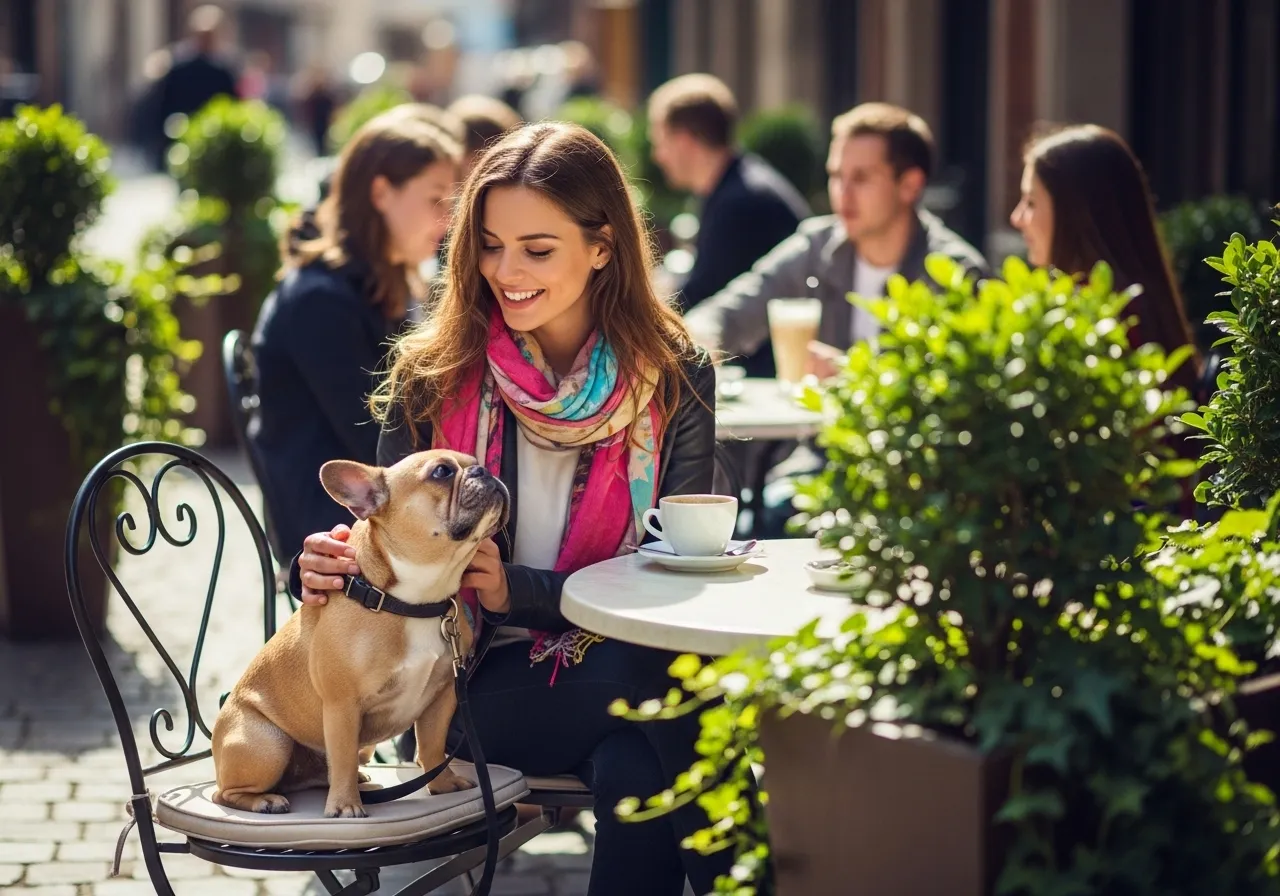
Example of AI-generated landscape with professional composition
The AI Advantage
AI-generated images tend to be cheaper than traditional stock photos, especially for frequent use.
Create exactly what you envision without the limitations of traditional photography.
Generate professional-quality images in seconds rather than waiting for photoshoots.
2025 Trends Shaping AI Stock Photography
The latest stock image trends include AI-generated photos, sustainability-focused visuals, niche-specific collections, and diverse, inclusive imagery.
Sustainable & Authentic Content
Modern consumers demand authenticity and environmental consciousness in visual content.
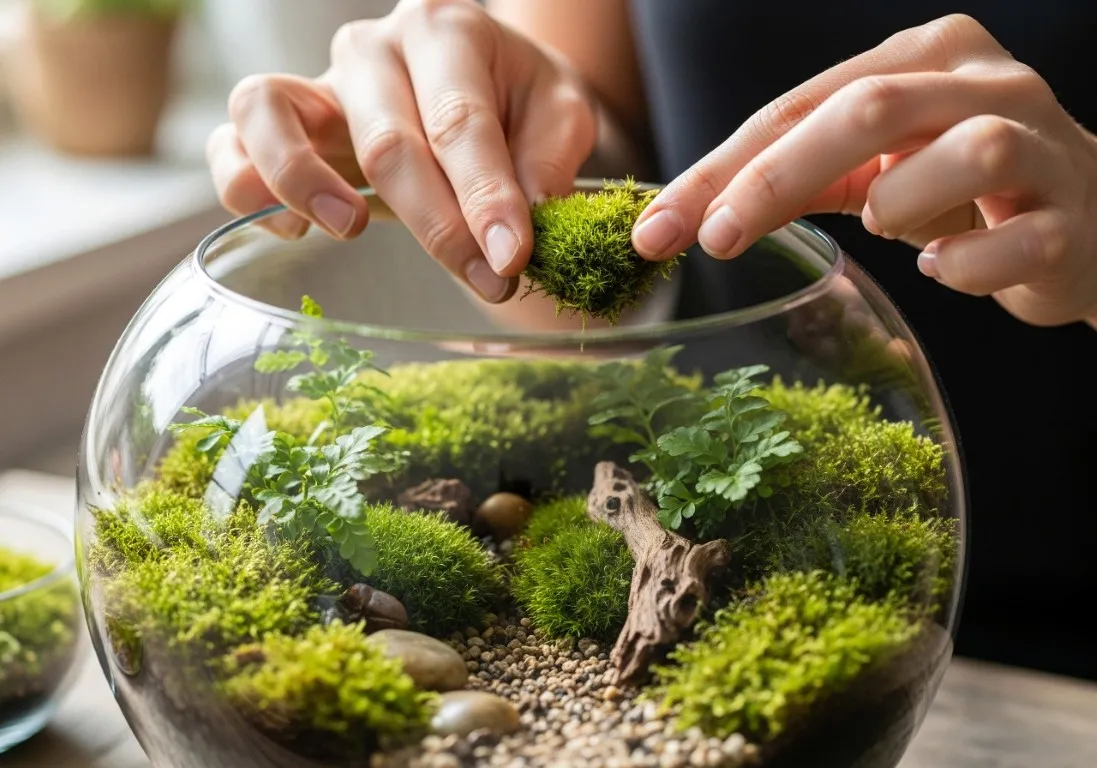
Example of trend-aligned AI content with professional composition
Key Trend Areas:
- •Eco-Friendly Visuals: Expect visuals featuring renewable energy, zero-waste practices, and eco-friendly products to dominate, appealing to millennials and Gen Z consumers
- •Niche-Specific Content: Industry-focused collections for fintech, healthcare, e-commerce, and social media marketing are gaining prominence
- •Authenticity Over Perfection: Move away from generic, overly-polished stock photos toward natural, relatable imagery
Mastering AI Image Prompting: The Foundation of Quality
The quality of your AI-generated images depends entirely on how well you craft your prompts. More descriptive prompts can improve the quality of outputs.
The Anatomy of a Perfect Prompt
An effective prompt acts as a detailed blueprint that guides the AI in generating exactly what you envision.
1. Subject Description
Be specific about what you want to see. Instead of 'a dog,' try 'a golden retriever puppy with playful expression, sitting upright.'
2. Environment and Setting
Consider what mood you want, where the subject is, and what's in the background.
3. Composition and Framing
Include camera angles, positioning, and framing preferences. Use terms like 'low angle shot,' 'rule of thirds,' or 'centered composition.'
4. Artistic Style
Generative AI can create images in the style of photographs, paintings, cartoons, illustrations, and specific artistic techniques.
5. Technical Details
Include camera specifications, lighting setup, and resolution, such as 'shot on Canon 5D Mark IV with 85mm f/1.4 lens.'
Best Practices for High-Quality AI Stock Images
1. Use Conversational, Descriptive Language
Write prompts in plain, conversational language, describing the image as if to someone who can't see it.
2. Be Specific and Clear
Use precise language and a minimum of six keywords to describe the results you want.
3. Separate Elements with Commas
Use commas to separate elements in your prompt, helping the AI understand individual components.
4. Specify Image Quality Requirements
Define the desired image quality, letting the tool know if you need high-resolution images.
- •8K resolution
- •Ultra-detailed
- •Professional photography quality
- •2000x2000px, 300 DPI
- •Commercial-grade
5. Leverage Photographic Terminology
Using photographic terminologies like camera angles and lighting conditions helps the AI system better understand what you want.
6. Set the Mood and Atmosphere
Use specific words to give AI portraits a mood or atmosphere.
7. Provide Context and Story
If you have a specific story in mind for your image, be sure to mention it in your prompt.
Advanced Techniques for Commercial-Quality Results
Template-Based Generation
Structured templates ensure consistency and quality across your image portfolio.

Example created with structured prompt template
Use Structured Prompt Templates
Winning AI prompts require specific sections for technical specifications, style elements, and composition details.
Employ Negative Prompts
Guide the AI away from unwanted elements by specifying what to avoid: "blurry, low quality, distorted proportions, extra fingers, unrealistic lighting."
Iterate and Refine
The process of creating high-quality AI images is very iterative and research-heavy, requiring modification of expectations and ideas as you experiment with different prompts and models.
Workflow Optimization for Scale
Efficient Keywording and Metadata
AI systems can now process titles, captions, and keywords at scale for as little as $0.0062 per file, with batches of 2000 files costing around $12.
Batch Generation with Consistency
Create templates for different image categories to maintain visual consistency across your portfolio.
Platform-Specific Optimization
Quality Control: What Makes AI Stock Images Stand Out
Technical Excellence
- • Resolution: Minimum 300 DPI for print, appropriate pixel dimensions
- • Lighting: Professional, consistent lighting that looks natural
- • Composition: Following design principles like rule of thirds
- • Details: Sharp focus on key elements, proper depth of field
Commercial Viability
- • Relevance: Images that solve real problems for content creators
- • Versatility: Compositions with space for text overlays
- • Authenticity: Natural-looking images that don't feel "too AI"
- • Diversity: Inclusive representation across all image categories
Quality Examples

Futuristic Medical
Holographic heart with digital particles

Financial Concept
Clean financial stock photography
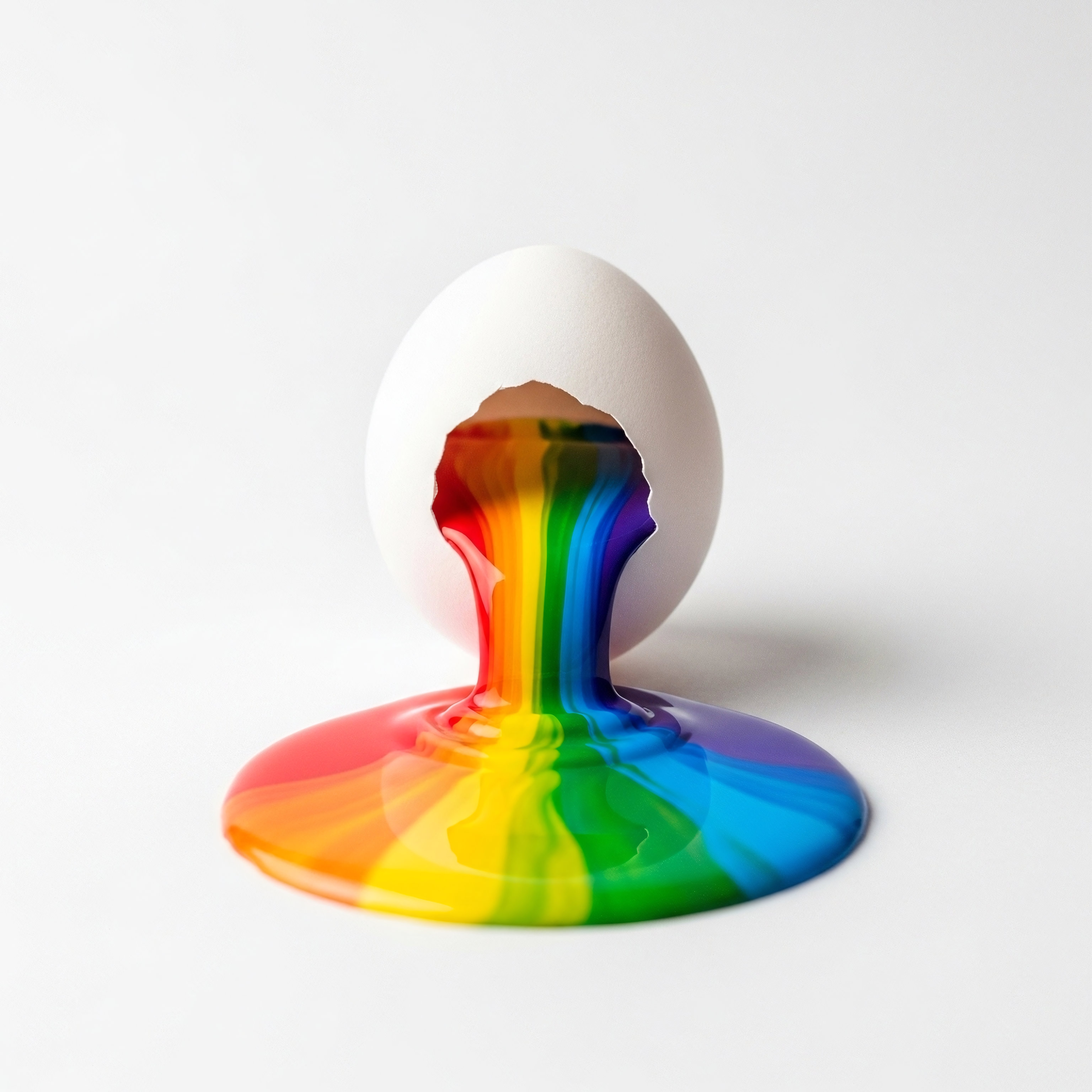
Product Photography
Minimalist studio shot with gradient
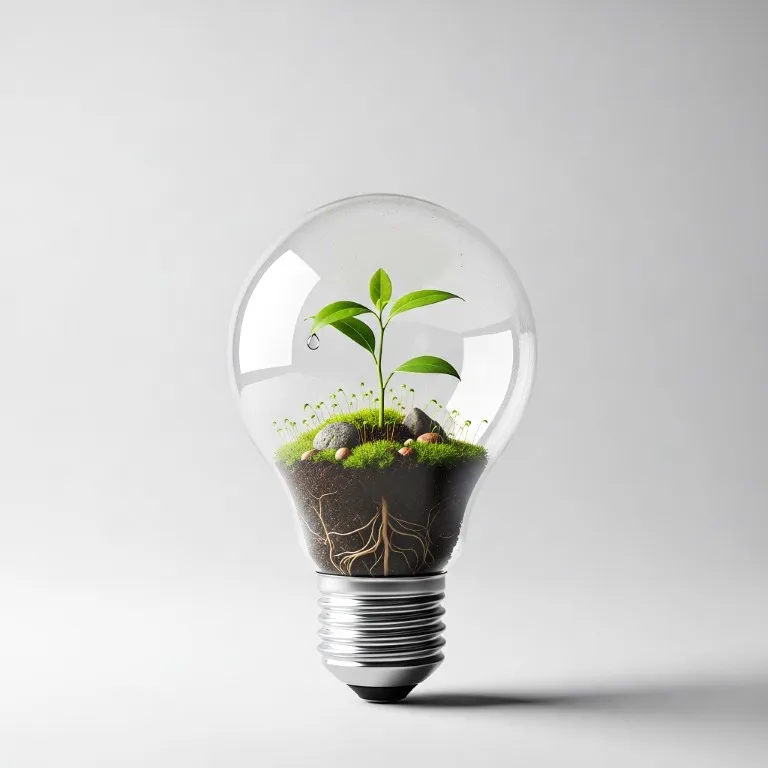
Eco Concept
Clean environmental concept design
Avoiding Common AI Pitfalls
- • Extra fingers or distorted hands
- • Unrealistic reflections or shadows
- • Text that looks like gibberish
- • Anatomical inconsistencies
- • Unnatural proportions
- • Overly smooth or "plastic" textures
Ethical Considerations and Best Practices
Copyright and Licensing
Most AI-generated images are created on-the-fly, meaning there's no photographer or agency demanding royalties, making them perfect for affordable visual content.
Transparency
Be honest about using AI-generated images, especially for commercial purposes. Many platforms now require disclosure.
Training Data Concerns
Choose AI platforms that are transparent about their training data sources and ensure they respect copyright and artist rights.
Tools and Platforms for AI Stock Photography
Popular AI Image Generators (2025)
Selecting the Right Tool
- • Commercial Rights: Can you sell or distribute the images?
- • Quality: Does it meet your resolution and detail requirements?
- • Consistency: Can it maintain style across multiple generations?
- • Customization: How much control do you have over outputs?
- • Cost: Pricing structure and value for your volume needs
Free Platforms for Getting Started
Perfect for beginners to experiment with different AI models before committing to paid services:
Pro tip: Use these platforms to test your prompts and find the best models for your specific needs before investing in premium tools.
The Future of AI Stock Photography
By late 2025, AI has become a cornerstone of photography and graphic design, evolving from task automation to a core creative collaborator.
- • Real-time editing: AI will advance computational photography with semantic editing
- • Private models: Custom AI trained on brand-specific datasets for consistent visual identity
- • Hybrid workflows: Combining AI generation with traditional photography techniques
Practical Tips for Success
Starting Out
- Study successful stock images in your niche
- Practice with free AI tools before investing
- Build a prompt library of successful formulas
- Test different styles and approaches
- Gather feedback from your target audience
Scaling Your Portfolio
- Create systematic naming conventions
- Develop category-specific prompt templates
- Maintain consistency in your visual style
- Regular quality audits of generated images
- Stay updated on AI tool improvements
Marketing Your AI Stock Images
- Research high-demand topics and keywords
- Optimize metadata for discoverability
- Create themed collections
- Showcase versatility within your niche
- Build a recognizable style
Conclusion
AI stock photography represents a democratization of visual content creation. AI can compose entirely original photos, providing a cheaper and more efficient alternative to expensive photoshoots for individuals and businesses. By mastering prompt engineering, understanding current trends, and following best practices, you can create high-quality AI-generated stock images that meet professional standards and commercial needs.
The key to success lies not just in understanding the technology, but in combining AI capabilities with creative vision, market awareness, and ethical practices. As the industry continues to evolve, those who embrace these tools while maintaining quality and authenticity will find unprecedented opportunities in the visual content marketplace.
Start experimenting today, refine your techniques, and join the revolution transforming how we create and consume visual content. The future of stock photography is here—and it's more accessible than ever before.